Corporate events demand precision. When you are hosting clients, investors, executives, or team members, every logistical detail sends a message about your organization's professionalism and attention to detail. Transportation is one of the first touchpoints your attendees experience — and one of the last. A seamless shuttle operation between hotels, venues, and airports signals competence and care. A chaotic, confusing, or unreliable transportation experience undermines the impression you have spent months and significant budget building through the event itself.
But corporate event transportation is inherently more complex than personal rentals. You are moving dozens or hundreds of people across multiple locations on tight timelines, often in unfamiliar cities. Last-minute schedule changes are common. VIPs need special handling. Multiple vehicle types — sedans, sprinters, coaches — must coordinate simultaneously. And the consequences of failure are not just inconvenience; they are damaged client relationships, frustrated employees, and a weakened brand perception.
Therefore, this guide provides the strategic framework for planning corporate event transportation that impresses attendees, keeps teams together, and runs with the reliability your professional reputation demands. Whether you are coordinating a 50-person offsite or a 500-person conference, these principles apply.
Start with the Transportation Map
Before booking a single vehicle, create a comprehensive transportation map that documents every movement of people throughout your event. List every origin point (airports, hotels, offices), every destination (conference venue, dinner venue, activity locations, airports for departures), and every time window for each movement. This map becomes the master plan from which all vehicle assignments, driver schedules, and communication plans are derived.
For a typical two-day corporate conference, the transportation map might include: arrival day airport transfers (individual sedans or shared shuttles based on flight clustering), hotel-to-venue morning shuttles on both days, venue-to-restaurant evening transfers, an offsite team-building activity shuttle, return hotel shuttles after evening events, and departure day airport transfers. Each movement has different requirements for vehicle type, capacity, timing, and frequency.
Choosing the Right Fleet Mix
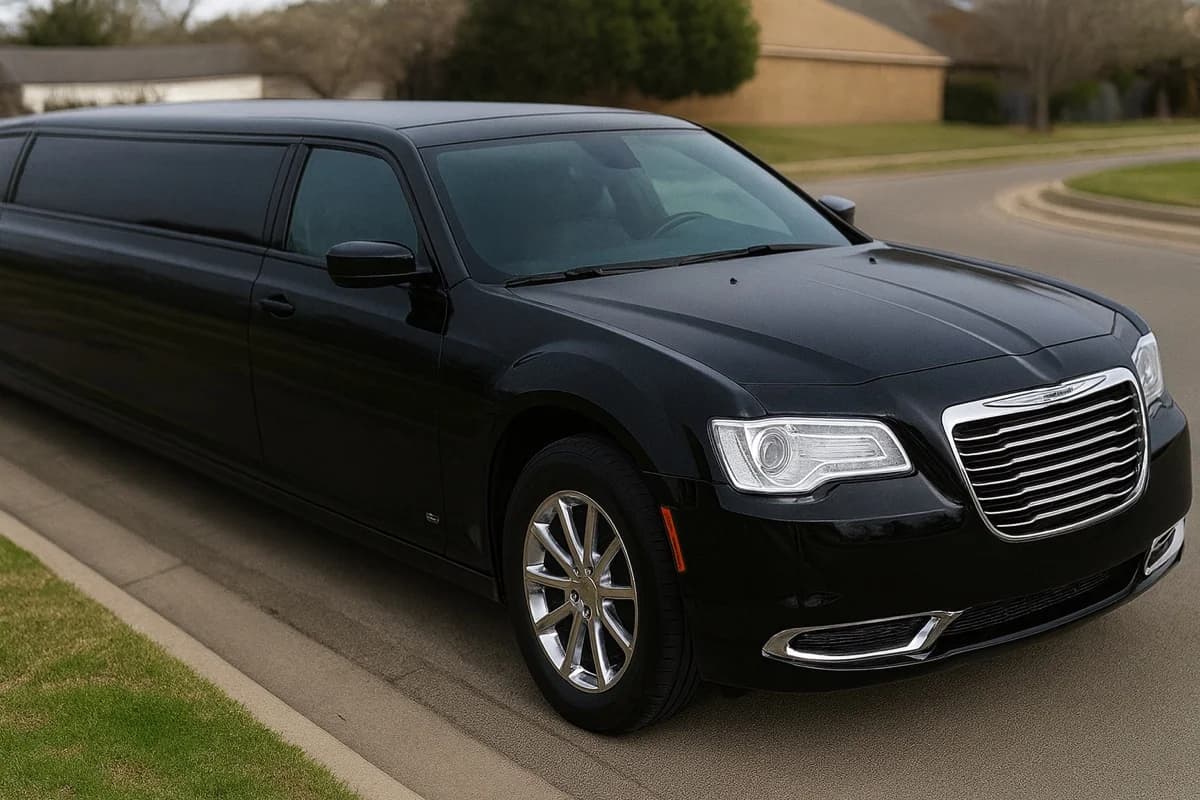
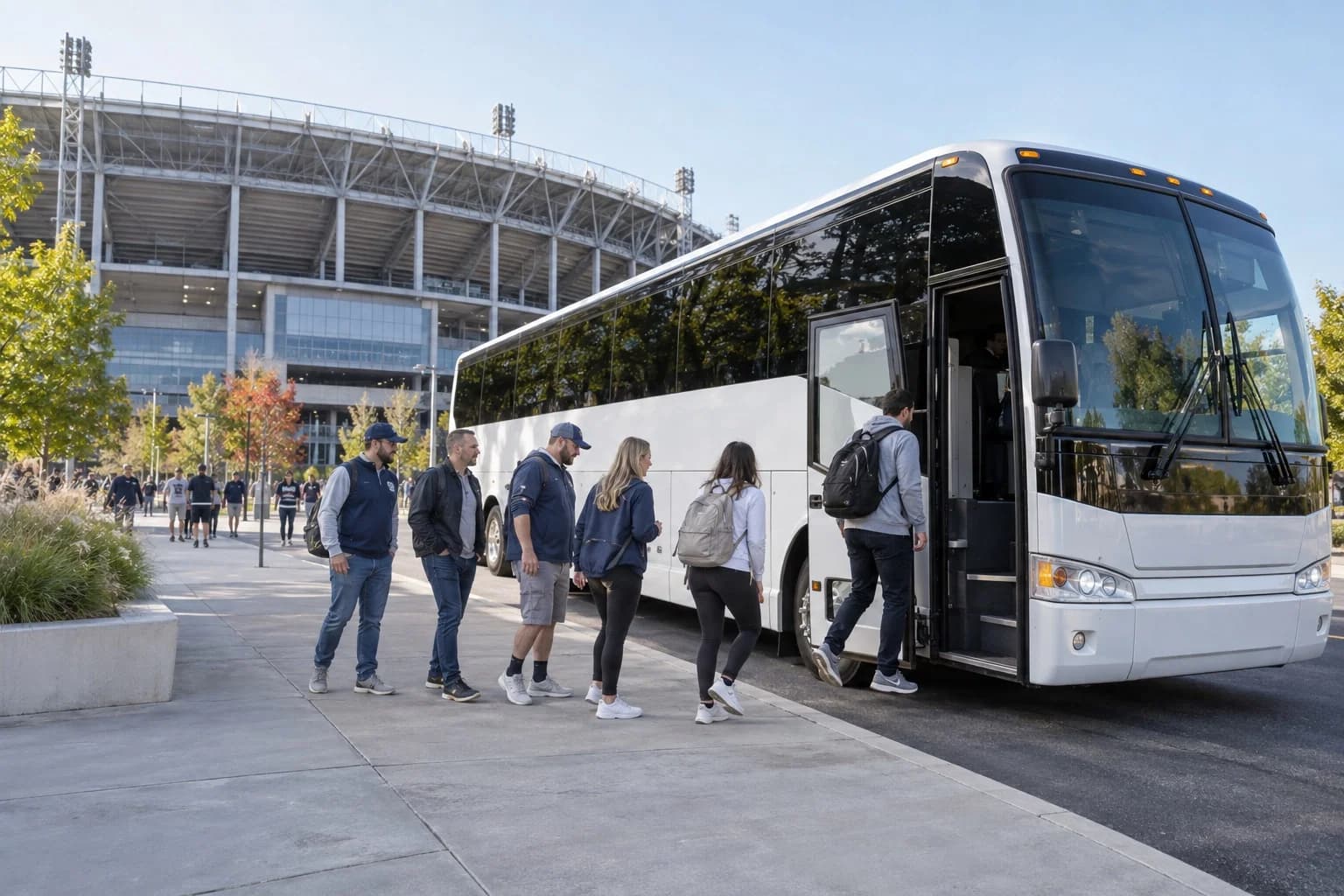
Corporate events rarely require a single vehicle type. The ideal fleet mix matches each transportation need with the appropriate vehicle. Executive sedans and luxury SUVs handle VIP transfers — C-suite executives, keynote speakers, and high-value clients who expect private, premium service. Sprinter vans accommodate small group transfers of 8 to 14 people for team dinners, client entertainment, and executive committee movements. Full-size coach buses handle the bulk of attendee transportation for venue shuttles, carrying 36 to 56 passengers per trip.
The main conference shuttle — the hotel-to-venue loop — typically runs a full-size coach bus on a 15 to 20 minute circuit. A single 56-passenger bus running continuously can move 200+ attendees within a 45-minute window, making it far more efficient and professional than dispatching multiple smaller vehicles. Browse vehicle options on the fleet page.
Communication Strategy
The single biggest factor in successful corporate shuttle operations is not the vehicles — it is communication. Attendees need to know exactly where to go, when to be there, and what to expect. This requires a multi-channel communication approach. Include detailed transportation information in the event registration confirmation, in the event app or printed materials, and in pre-event emails. Provide pickup locations with photos or map pins, departure times with clear "last bus" designations, and a direct contact number for the transportation coordinator.
Real-time communication channels are essential for day-of adjustments. A dedicated Slack channel, WhatsApp group, or event app notification system allows instant updates if schedules change, vehicles are delayed, or routes are modified. Designate a single point of contact for all transportation questions — an attendee who cannot find the shuttle stop needs an immediate answer, not a chain of emails.
VIP and Executive Transportation
VIP transportation requires a different standard of service. Executives, keynote speakers, and high-value clients should receive private sedan or SUV service with meet-and-greet airport pickup, dedicated drivers who are briefed on the VIP's schedule, and flexibility to accommodate last-minute changes. The vehicle should be premium (late-model luxury sedan or SUV), impeccably clean, stocked with water, and climate-controlled.
VIP drivers should have the event coordinator's direct phone number and be proactively communicative about arrival times, route changes, and any issues. A VIP who has to call and ask where their car is has already had a subpar experience. Professional VIP transportation anticipates needs before the guest has to voice them.
Building Buffer Time
Corporate event transportation must account for the unpredictable. Sessions run over, networking extends beyond scheduled time, VIPs get pulled into side meetings, and herding 200 professionals onto buses takes longer than any timeline suggests. Build 15 to 20 minutes of buffer into every scheduled departure. For airport transfers, buffer 60 minutes between the scheduled flight arrival and the start of any event activity to account for delays, baggage claim, and ground transportation navigation.
The most resilient transportation plans assume the schedule will shift and build flexibility into the framework. Vehicles on standby cost less than a room full of executives waiting in a hotel lobby because the shuttle was scheduled too tightly.
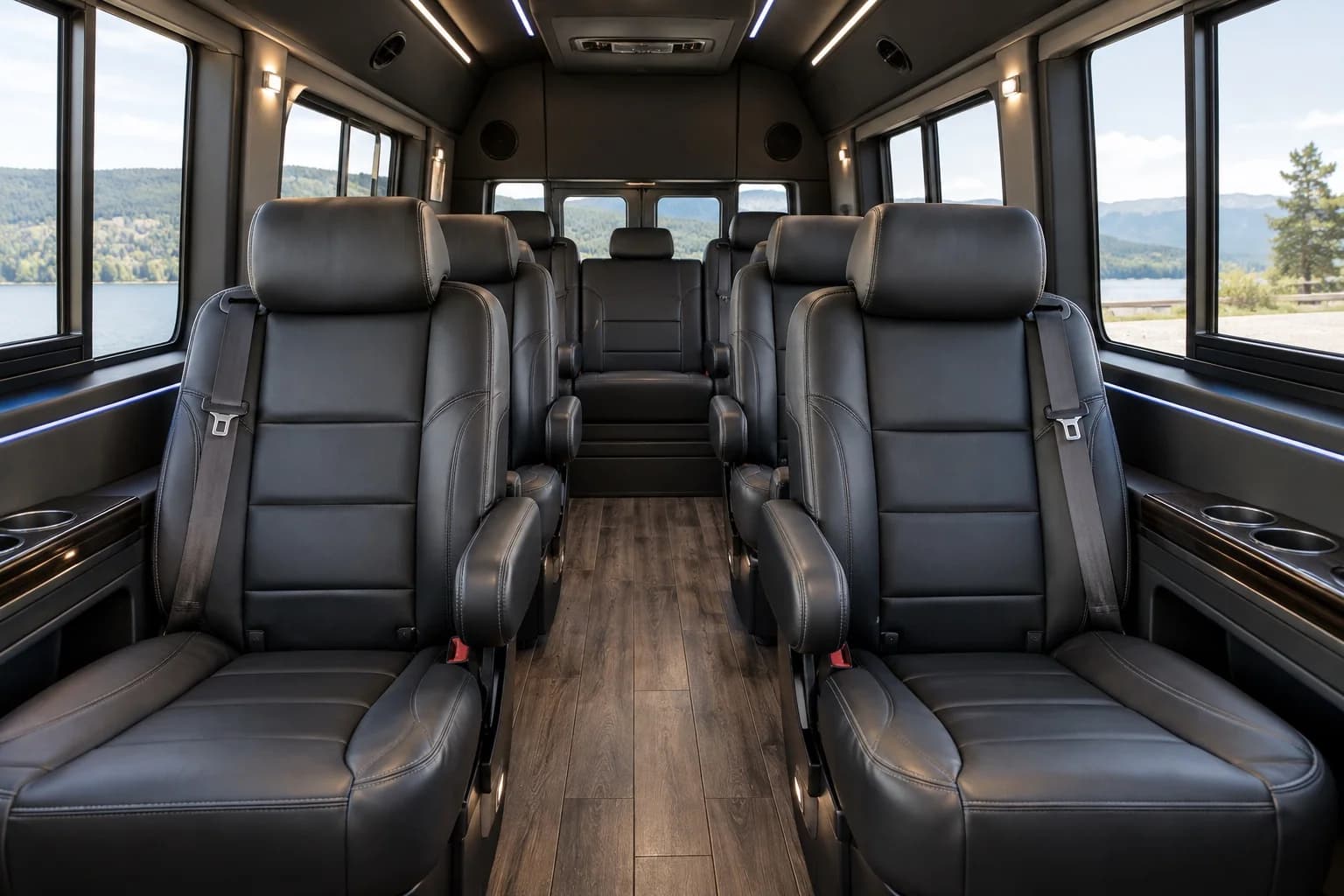
Corporate Transportation Done Right
Party Bus Quotes provides dedicated coordination for corporate events, from single-day meetings to multi-day conferences in any city.
Day-Of Coordination
Designate a dedicated on-site transportation coordinator for the day of the event. This person confirms vehicle arrivals, manages boarding processes, handles real-time schedule changes, and serves as the single escalation point for any transportation issues. They should carry a clipboard or tablet with the transportation map, driver contact information, dispatcher direct line, and a radio or fully charged phone for immediate communication.
For multi-vehicle operations, station a transportation host at each major loading point with signage identifying the shuttle and its destination. A simple A-frame sign reading "Conference Shuttle — Departs Every 15 Minutes" eliminates 90 percent of the questions attendees would otherwise ask.
Measuring Success and ROI
Professional corporate transportation delivers measurable ROI beyond convenience. Shuttle services reduce taxi reimbursements by 60 to 80 percent for multi-day events. Centralized transportation eliminates the liability of attendees driving in unfamiliar cities. The professional impression left on clients and prospects reinforces brand values. Post-event surveys consistently rate transportation quality as a top-5 factor in overall event satisfaction.
Party Bus Quotes coordinates corporate event transportation with independent carriers nationwide. The planning approach below is built for conferences, product launches, trade shows, and executive retreats. Call 844-725-4257 or request a corporate quote to start planning.